When Bird Nests Become a Ventilation and Fire Safety Issue
When bird nests become a ventilation and fire safety issue, local contractors can safely remove nests and ensure your home remains secure.
Bird nests in ventilation systems or attic spaces can pose significant safety and functional concerns for property owners. When bird nests become a ventilation and fire safety issue, they can block airflow, reduce the efficiency of heating and cooling systems, and increase the risk of fire hazards due to accumulated debris and nesting materials. Property owners in the area who notice signs of bird activity near vents or in attics may find it beneficial to explore professional bird nest removal services to ensure their properties remain safe and well-maintained.
Understanding the potential risks associated with bird nests is essential for maintaining a safe living or working environment. Local contractors specializing in bird nest removal can assess the situation, safely clear nests from vents and other areas, and help prevent future buildup that could compromise ventilation or create fire hazards. Keeping these issues in check not only supports property safety but also promotes proper airflow and system performance, making it worthwhile for property owners to stay informed and seek expert assistance when needed.
- Bird nest removal services are needed when bird nests obstruct ventilation systems or vent caps, potentially causing fire hazards, and local contractors can safely remove nests to prevent these issues. Bird nest removal services become essential when nests build up near roof vents or exhaust fans, risking blockages that compromise air flow and safety, with local pros handling the cleanup. Bird nest removal services are sought when nests cause debris buildup in ventilation pathways, increasing the risk of fire or smoke damage, and local service providers can clear these obstructions effectively. Bird nest removal services are necessary when nests are located close to electrical fixtures or vents, which can lead to fire safety concerns, with local experts removing nests to mitigate hazards. Bird nest removal services are appropriate when nests interfere with proper ventilation or create fire risks, and local contractors can evaluate and safely remove nests to ensure safety compliance.
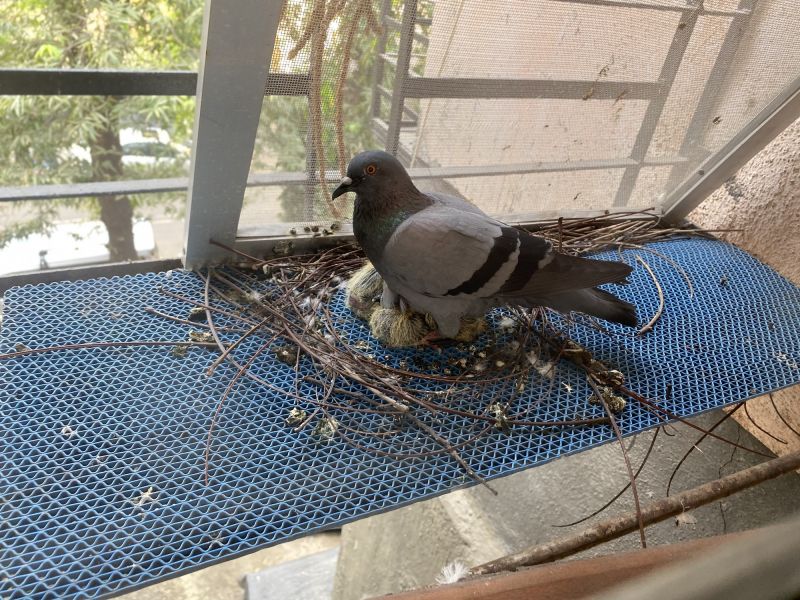
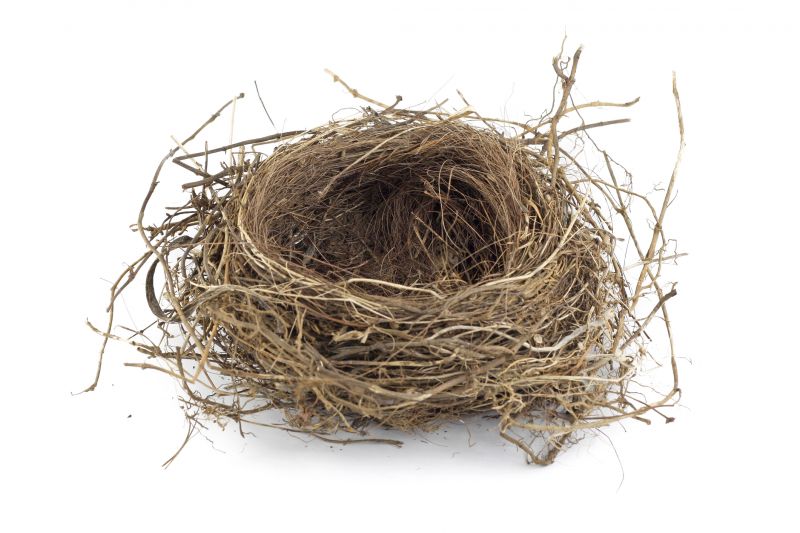
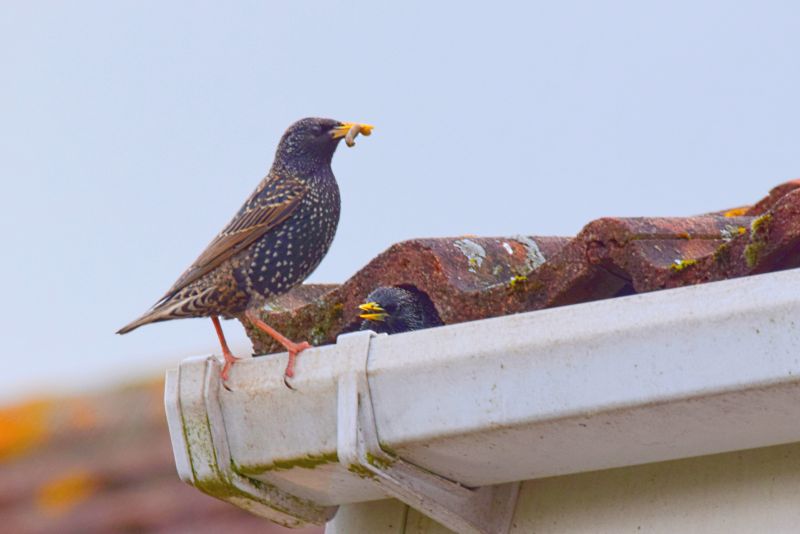
When people search for information about bird nests becoming a ventilation and fire safety issue, they are often concerned about how bird activity can impact their property's safety and functionality. Bird nests commonly build up in areas like attic vents, chimney caps, and exhaust fans, where they can block airflow and create hazards. Homeowners may notice reduced ventilation efficiency, increased indoor humidity, or even unpleasant odors, prompting questions about whether these nests are causing problems. Additionally, there is a concern about the potential fire risk posed by nests near electrical or heat-producing components, especially if nests are built close to or inside vents and exhaust systems.
This topic often relates to property maintenance, safety inspections, and preventative measures. When bird nests obstruct ventilation systems, they can cause a buildup of heat or moisture, which may lead to mold growth or structural damage over time. In some cases, nests can ignite if they come into contact with electrical sparks or heat sources, creating a fire hazard. Property owners might also consider removal or relocation plans to prevent future issues, particularly in areas where bird activity is persistent. Local contractors who specialize in bird nest removal can assess the situation, safely clear nests, and help implement strategies to prevent re-nesting, ensuring both safety and proper airflow.
The types of properties that typically encounter issues with bird nests in ventilation and fire safety systems include residential homes, especially those with attic vents or chimneys, as well as commercial buildings like warehouses and restaurants with exhaust fans. Older properties or buildings in areas with abundant bird populations are more prone to these problems. Attics are common nesting sites because they provide shelter and access to elevated spaces, while chimneys attract birds seeking nesting spots or perches. These properties often require professional assistance to remove nests safely and to inspect ventilation systems for blockages or damage that could compromise safety.
Addressing when bird nests become a ventilation and fire safety issue involves understanding the importance of timely removal and ongoing prevention. Local service providers who specialize in bird nest removal can evaluate the specific circumstances, identify potential hazards, and perform safe removal procedures. They can also recommend modifications to vents, chimney caps, or other openings to discourage future nesting. Homeowners should view these services as part of routine property upkeep, especially in seasons when bird activity peaks. Properly managing bird nests not only helps maintain effective ventilation but also reduces the risk of fire hazards, making it a practical step toward protecting the safety and integrity of the property.
Bird control and exclusion projects involve installing barriers and deterrents to prevent birds from nesting in vents and attic areas, helping to reduce fire and ventilation hazards.
Ventilation system inspections focus on assessing ductwork and exhaust vents for blockages caused by bird nests, ensuring proper airflow and safety compliance.
Chimney and vent cleaning services remove bird nests and debris from exhaust systems, preventing fire risks associated with nesting materials and blockages.
Roof and gutter maintenance projects often include bird nest removal to prevent nesting in eaves and vents that could impair ventilation and create fire hazards.
Wildlife removal and exclusion services specialize in safely removing bird nests and implementing measures to prevent future nesting in critical ventilation areas.
Fire safety inspections may identify risks posed by bird nests in ventilation systems, with local contractors providing solutions to mitigate these hazards effectively.
When evaluating service providers for bird nest removal related to ventilation and fire safety concerns, it is important to consider their experience with similar projects. Local contractors who have a history of handling bird nest removals in residential or commercial settings are more likely to understand the complexities involved, such as safely accessing hard-to-reach areas and ensuring the nests are removed without damaging the ventilation system. An experienced provider can also better assess potential risks, such as fire hazards caused by blocked vents or accumulated debris, and recommend appropriate solutions based on previous work.
Clear written expectations are essential when comparing local service providers for bird nest removal. Homeowners should seek providers who can outline the scope of work, including the methods used to remove nests, any follow-up steps, and how they plan to address ventilation or fire safety issues. Having detailed, written information helps ensure that both parties share a common understanding of the project, reducing the likelihood of misunderstandings or incomplete work. It also provides a reference point for evaluating whether a contractor’s approach aligns with safety standards and the homeowner’s specific concerns.
Reputable references and effective communication are key indicators of a trustworthy service provider. When considering local contractors, it’s helpful to inquire about past projects similar to the situation at hand and whether they can provide references or examples of completed work. Good communication involves responsiveness, clarity, and a willingness to answer questions about the process, safety considerations, and any potential impacts on the home. Service providers who prioritize transparent dialogue and can demonstrate a track record of satisfied clients are more likely to deliver a professional and thorough bird nest removal service that addresses ventilation and fire safety needs effectively.
Property owners often search for when bird nests become a ventilation and fire safety issue when they are planning practical projects around their homes and businesses. Local pros provide Bird Nest Removal services for everyday jobs and straightforward project options.
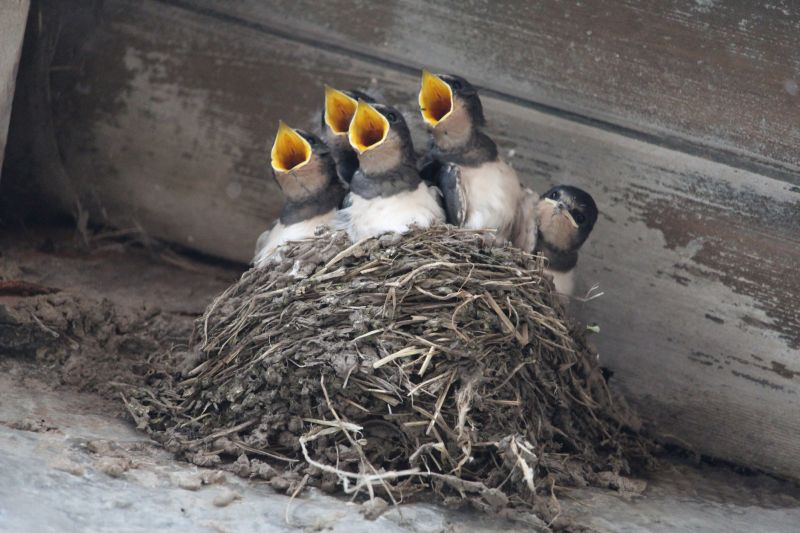
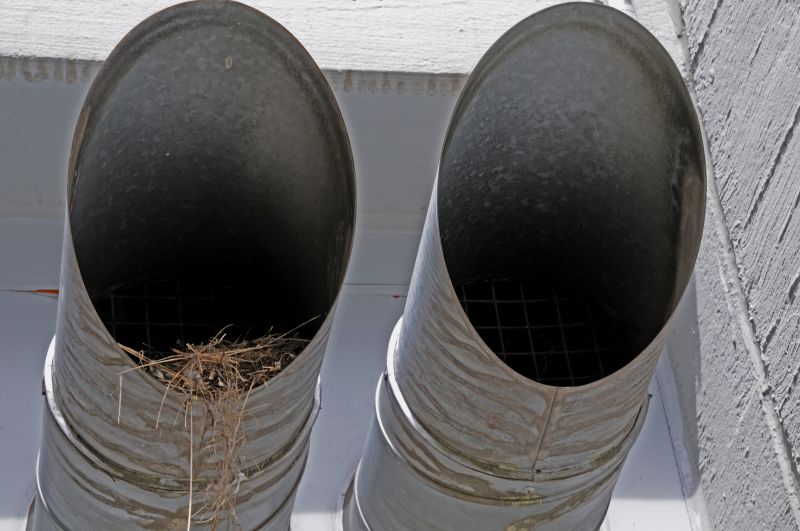
Bird nests built in ventilation systems or on rooftops can quickly turn into a safety concern for property owners. When bird nests obstruct vents, they can impair airflow, leading to poor ventilation inside the building. Additionally, accumulated nests and debris can pose fire hazards, especially if they come into contact with heat sources or electrical components. Property owners who notice blocked vents, strange odors, or signs of nesting activity may want to explore bird nest removal services offered by local contractors who specialize in addressing these common issues.
In many cases, removing bird nests is a necessary step to ensure proper ventilation and reduce potential fire risks. Local service providers are equipped to handle the safe removal of nests and debris, helping to restore ventilation efficiency and minimize safety hazards. Property owners who encounter ongoing nesting activity or suspect nests in critical areas can benefit from consulting experienced local contractors to evaluate the situation and determine appropriate removal solutions.
Why are bird nests a concern for ventilation systems? Bird nests can block vents and exhaust openings, reducing airflow and causing ventilation issues that may lead to poor indoor air quality.
How can bird nests pose a fire safety risk? Bird nests built in or near vents and chimneys can ignite or cause blockages, increasing the risk of fires or smoke buildup inside the property.
When should property owners consider bird nest removal services? It is advisable to seek removal when bird nests obstruct vents, chimneys, or other openings, especially if there are signs of blockage or fire hazards.
What role do local contractors play in addressing bird nest-related safety issues? Local service providers can safely remove bird nests, clear ventilation pathways, and help prevent fire and ventilation problems caused by nesting activity.
Are there regulations regarding bird nest removal for safety reasons? Regulations may vary, but generally, local pros follow guidelines to ensure nests are removed safely and humanely while addressing ventilation and fire safety concerns.
Identify nesting sites early - property owners can inspect vents and eaves regularly to spot bird nests before they obstruct airflow or pose fire risks, allowing timely removal services.
Maintain ventilation systems properly - routine inspections and cleaning by local contractors help prevent bird nests from building up and causing ventilation blockages or fire hazards.
Install deterrents and barriers - property owners can work with local pros to add bird deterrents or physical barriers around vents and chimneys to reduce nesting opportunities.
Schedule professional nest removal - when bird nests become a ventilation and fire safety issue, engaging local bird nest removal services ensures safe and effective clearance.
If you are thinking about when bird nests become a ventilation and fire safety issue for a property, this guide is meant to help you understand this topic, the typical project types, and how different options might fit your plans.
When you are ready, you can use the quote form on this page to share a few details about your project. From there, local pros can review the basics and follow up with options that match what you have in mind.