Humane Bird and Bat Deterrent Methods for Large Buildings
People seeking humane bird and bat deterrent methods for large buildings aim to prevent wildlife conflicts ethically, and local service providers can help implement effective, humane solutions.
Visitors exploring humane bird and bat deterrent methods for large buildings are in the right place. Large structures often attract these animals, leading to concerns about property damage, health risks, and nuisance issues. Property owners in the area may find it practical to learn about humane strategies that effectively discourage birds and bats without harm, helping to maintain building integrity and safety. This page provides insights into the types of services local contractors offer, ensuring that solutions are both effective and respectful of wildlife.
Continuing to read can reveal how local service providers specialize in humane bird and bat deterrent methods tailored for large buildings. These professionals understand the unique challenges posed by sizable structures and can recommend approaches that address specific needs. Whether for preventing roosting, nesting, or entry points, connecting with experienced local contractors can help property owners implement humane solutions that protect their buildings while respecting wildlife.
- Bird and Bat Deterrent Installation - Building managers seeking humane methods to prevent bird and bat roosting may contact local contractors experienced in humane deterrent installation for large structures.
- Exclusion System Setup - Property owners wanting to block access points for birds and bats can rely on local service providers skilled in installing humane exclusion barriers on large buildings.
- Bird and Bat Deterrent Maintenance - Facilities requiring ongoing humane bird and bat deterrent system upkeep often turn to local pros who specialize in maintaining humane solutions for large-scale properties.
- Roost Removal and Prevention - When large buildings experience bird or bat infestations, local contractors can implement humane removal and prevention strategies to discourage future roosting.
- Habitat Modification Services - Those aiming to modify building features to make them less attractive to birds and bats may work with local experts familiar with humane deterrent methods for big structures.
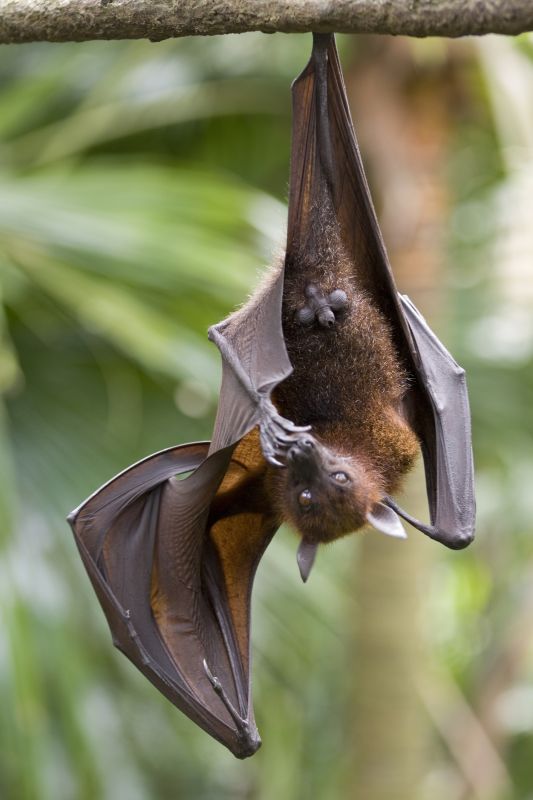
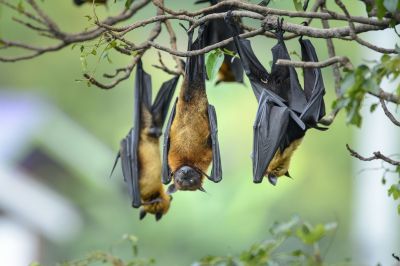

People searching for humane bird and bat deterrent methods for large buildings are often looking for solutions that prevent these animals from roosting, nesting, or causing damage, without harming them. Large structures such as commercial complexes, warehouses, factories, and institutional buildings frequently attract birds and bats due to their size and available ledges, eaves, and crevices. Property owners and managers may face challenges like excessive droppings, noise, or the risk of disease transmission linked to these animals. The goal is to implement effective, non-lethal deterrent strategies that protect the building’s integrity while ensuring humane treatment of the wildlife.
These concerns are typically linked to plans for pest management, property maintenance, or wildlife control. For instance, a building owner might want to prevent birds from nesting on rooftops or bats from roosting inside eaves, especially during breeding seasons. Problems can include blocked vents, stained walls, or the accumulation of droppings that damage surfaces and require costly cleaning. Property managers often seek long-term solutions that discourage wildlife from settling, rather than temporary fixes that might be ineffective or cause harm. Humane bird and bat deterrent methods are part of integrated approaches that focus on exclusion and habitat modification to address these issues responsibly.
The types of properties where humane bird and bat deterrent methods are commonly applied include commercial office buildings, manufacturing plants, storage facilities, and large residential complexes. These structures often have extensive exterior surfaces, including roofs, ledges, and overhangs, which can serve as ideal roosting spots. Historic buildings and landmarks may also require specialized approaches to preserve their appearance while preventing wildlife intrusion. In many cases, property owners seek the expertise of local service providers who understand how to assess the specific features of a large building and recommend humane deterrent methods suited to the environment and wildlife behavior.
Engaging with experienced local contractors is essential for implementing humane bird and bat deterrent methods effectively. These professionals can evaluate the building’s design and identify key access points or attractive features that encourage wildlife presence. They may recommend a variety of humane deterrent tools, such as bird spikes, netting, or one-way exclusion devices, tailored to the property’s needs. By working with local service providers, property owners can ensure that the solutions are both practical and respectful of the animals, helping to maintain a clean, safe, and wildlife-friendly environment. This approach supports long-term property protection while adhering to humane standards.
Bird exclusion projects involve installing physical barriers and deterrents on large buildings, requiring planning and knowledge of humane methods similar to those used in bird deterrent services.
Building maintenance and retrofit projects often include integrating humane bird and bat deterrent solutions to prevent nesting and roosting in architectural features.
Wildlife exclusion services focus on humane removal and prevention strategies, aligning closely with humane bird and bat deterrent methods for large structures.
Raptor deterrent installations utilize visual and auditory devices to discourage bird activity, sharing tools and planning skills with humane bird deterrent specialists.
Roof and facade protection projects frequently involve installing humane deterrents to prevent bird and bat access, requiring similar planning and execution expertise.
Urban wildlife management programs coordinate humane strategies to control bird and bat populations around large buildings, utilizing comparable skills and tools as humane deterrent methods.
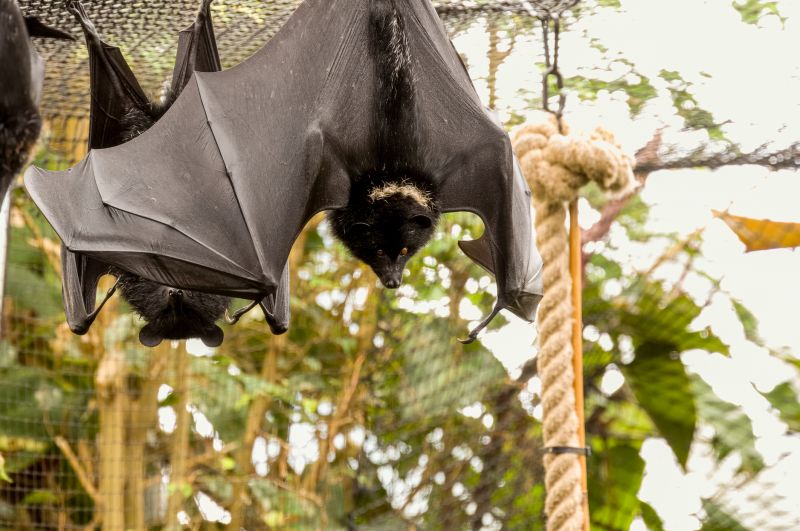
When evaluating service providers for humane bird and bat deterrent methods for large buildings, experience with similar projects is a key factor to consider. A reputable local contractor should have a track record of handling large-scale bird and bat deterrent installations, demonstrating familiarity with the unique challenges that come with sizable structures. Asking about past projects can help determine if a contractor has the practical knowledge and expertise needed to implement effective humane methods that are appropriate for large buildings, ensuring the approach is both humane and tailored to the specific site.
Clear written expectations are essential when comparing local contractors for humane bird and bat deterrent services. A professional should be able to provide a detailed scope of work, outlining the methods they plan to use, the steps involved, and the expected outcomes. This clarity helps ensure that both parties are aligned on the project’s goals and reduces the chances of misunderstandings. Well-defined expectations also serve as a foundation for evaluating the quality of service and the contractor’s ability to communicate effectively throughout the process.
Reputable references and good communication are critical indicators of a trustworthy service provider. A reliable local contractor should be willing to share references from previous clients who had similar large building projects involving humane bird and bat deterrent methods. Positive feedback from past customers can offer insights into the contractor’s professionalism, reliability, and ability to deliver results. Additionally, responsive and transparent communication during the initial consultation signals a contractor’s commitment to understanding the project’s needs and maintaining a smooth, collaborative working relationship throughout the process.
Property owners often search for humane bird and bat deterrent methods for large buildings when they are planning practical projects around their homes and businesses. Local pros provide Humane Bird and Bat Deterrent Methods services for everyday jobs and straightforward project options.
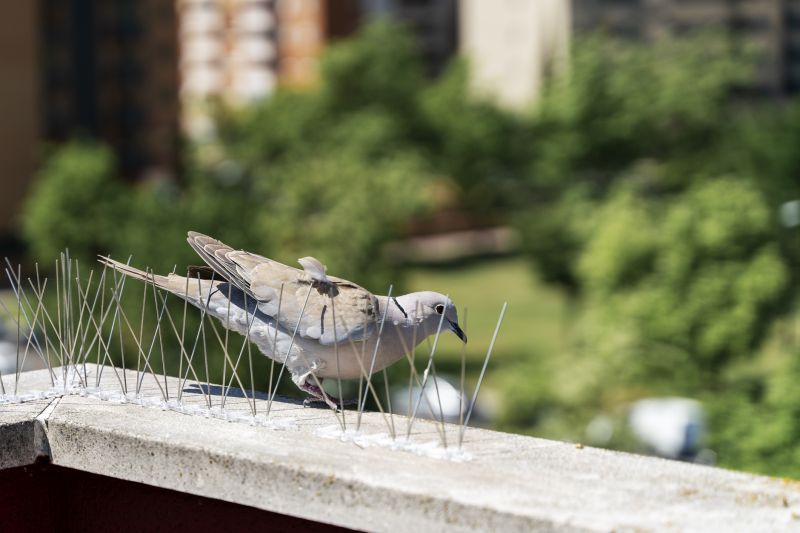
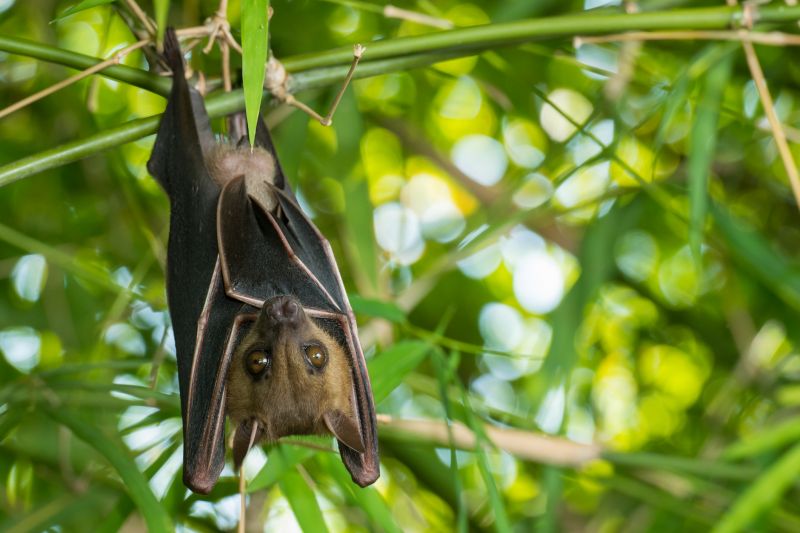
Many property owners in the area may find themselves dealing with birds or bats roosting on large building exteriors, which can lead to noise, debris, and potential health concerns. Searching for humane bird and bat deterrent methods for large buildings is a common step for those seeking effective, non-lethal solutions that protect both the animals and the property’s integrity. Local contractors specializing in these methods can provide practical options that discourage wildlife from settling in unwanted areas, helping to maintain a safe and clean environment without causing harm.
Property managers and building owners often look for humane deterrent services to address recurring issues with bird or bat populations on commercial or industrial structures. These professionals can assess specific situations and recommend humane strategies that are suitable for large buildings, such as exclusion devices or visual deterrents. Connecting with experienced service providers ensures the implementation of effective, humane methods that align with property needs and local regulations, making it easier to manage wildlife presence responsibly.
What are humane bird and bat deterrent methods for large buildings? Humane bird and bat deterrent methods for large buildings include techniques such as visual deterrents, exclusion devices, and habitat modification to discourage roosting without causing harm.
How do local service providers implement humane deterrent methods? Local service providers assess building structures and apply humane deterrent solutions like bird spikes, netting, and ultrasonic devices to prevent birds and bats from nesting or roosting.
Are humane deterrent methods effective for large buildings? Yes, when properly installed by experienced contractors, humane deterrent methods can effectively reduce bird and bat presence on large buildings without causing injury or distress.
Can humane deterrent methods be customized for different building types? Absolutely, service providers can tailor humane bird and bat deterrent strategies to suit the specific design and location of each large building for optimal results.
What should be considered when choosing humane bird and bat deterrent services? It is important to work with local contractors who understand humane methods, have experience with large structures, and can recommend appropriate solutions for effective and ethical deterrence.
Install Bird and Bat Exclusion Devices - property owners can work with local contractors to set up humane exclusion devices that prevent birds and bats from entering building structures. Use Visual Deterrents - applying reflective tapes or predator decoys can discourage birds and bats from roosting on large building exteriors with the help of local service providers. Implement Habitat Modification - modifying surrounding landscapes, such as trimming trees or removing nesting areas, can reduce attractants, with guidance from local pros. Schedule Regular Inspections and Maintenance - routine checks by local contractors ensure humane deterrent methods remain effective and prevent unwanted bird and bat activity around large buildings.
If you are thinking about humane bird and bat deterrent methods for large buildings for a property, this guide is meant to help you understand this topic, the typical project types, and how different options might fit your plans.
When you are ready, you can use the quote form on this page to share a few details about your project. From there, local pros can review the basics and follow up with options that match what you have in mind.