Bird Nests in Vents and Eaves: Why Safe Removal and Prevention Are Important
If you're dealing with bird nests in vents and eaves, local service providers can safely remove nests and help prevent future issues.
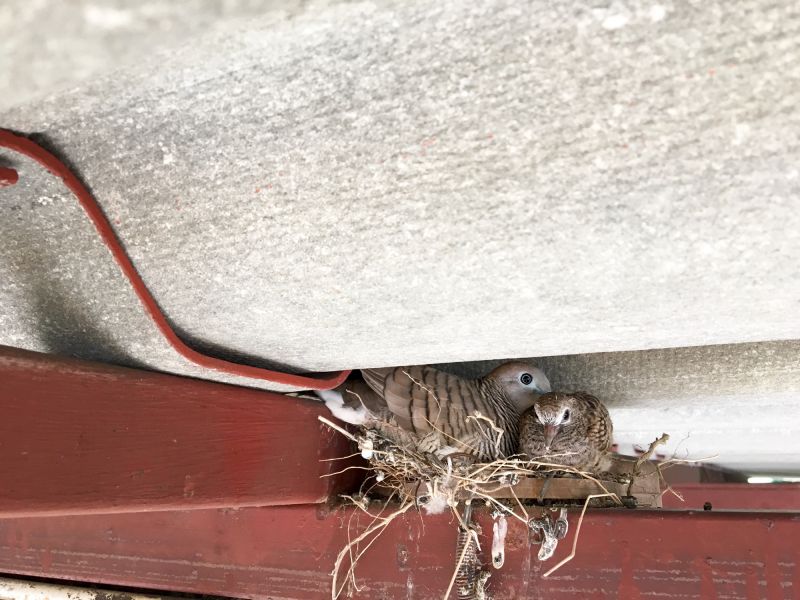
Bird nests in vents and eaves can seem harmless at first, but they often pose significant risks to property owners. When birds choose to settle in these areas, they can cause blockages, damage to vents, and even create fire hazards if nests interfere with electrical components. For homeowners and property managers, understanding the importance of safe removal and prevention is crucial to maintaining a secure and functional building. Local contractors who specialize in bird nest removal can provide practical solutions to keep these spaces clear and reduce potential problems before they escalate.
Exploring this topic helps property owners learn how to protect their investments and ensure safety. Proper removal of bird nests in vents and eaves not only prevents costly repairs but also minimizes health concerns related to accumulated droppings and debris. Many local service providers are equipped to handle these tasks efficiently, offering safe removal techniques and advice on prevention strategies. Keeping these areas clear is an important step in maintaining the integrity of a building, and trusted local contractors can help make that process straightforward and effective.
- Bird nest removal services are needed when bird nests in vents and eaves pose blockages or damage, and local contractors use safe methods to remove nests without harming wildlife. Prevention services help homeowners avoid future nesting in vents and eaves by sealing entry points, with local service providers offering tailored solutions. When bird nests in vents and eaves create health concerns or ventilation issues, local pros provide careful removal and advice to maintain proper airflow. If bird nests in vents and eaves lead to pest or odor problems, experienced contractors can perform safe removal and implement prevention measures. Regular inspections by local experts can help identify early signs of nesting activity and ensure safe, effective removal before issues escalate.
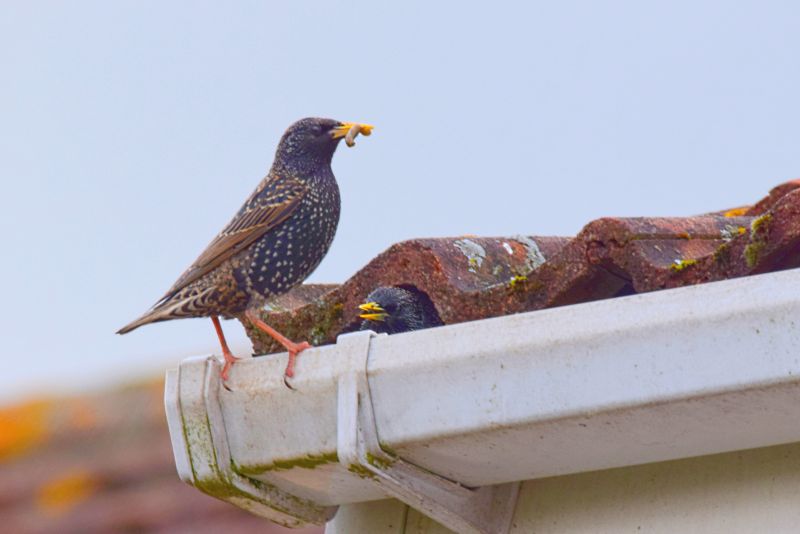
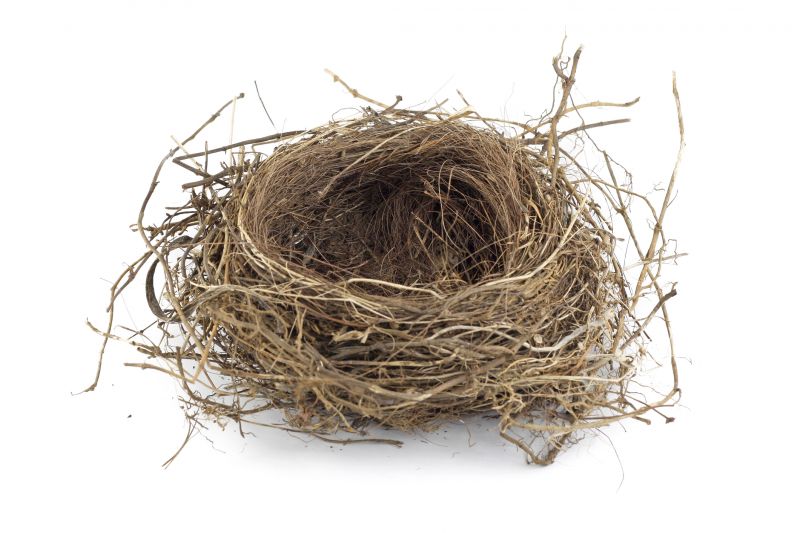
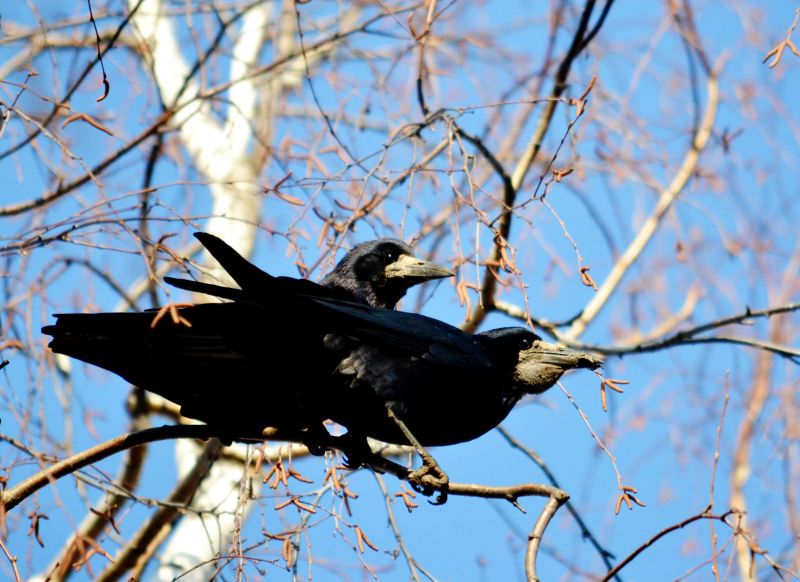
When people search for bird nests in vents and eaves: why safe removal and prevention are important, they are often concerned about the presence of birds nesting in or around their homes. This topic typically comes up when homeowners notice signs of bird activity, such as chirping sounds, droppings, or debris near vents and eaves. The focus is usually on understanding how these nests can impact property, health, and safety, especially if left unmanaged. Many individuals are looking for guidance on how to handle these situations effectively while ensuring the birds are treated humanely and property damage is minimized.
These concerns relate to a range of problems and planning efforts related to property maintenance and wildlife management. Bird nests in vents and eaves can lead to blocked ventilation systems, which may cause poor airflow and increased energy costs. Additionally, nests can attract pests like mites, insects, or rodents, which can create health risks or damage insulation. Homeowners often consider removal and prevention strategies as part of ongoing property upkeep, especially when nesting activity persists seasonally. Planning for safe removal involves understanding the importance of avoiding harm to the birds and ensuring that the nests are removed in a way that prevents future nesting attempts.
The types of properties affected by bird nests in vents and eaves are diverse, but residential homes are most common. Single-family houses, townhomes, and apartment complexes frequently encounter this issue, especially those with accessible eaves, soffits, or vent openings. Commercial buildings, such as offices or retail spaces, can also experience nesting activity if vents or overhangs are accessible to birds. The construction style and location influence how likely a property is to become a nesting site, with older buildings often providing more entry points or sheltered areas for birds. Understanding these property types helps homeowners recognize the importance of professional removal and prevention services to address the issue effectively.
Local service providers who specialize in bird nest removal and prevention play a crucial role in helping homeowners manage this situation. These professionals are equipped to safely and humanely remove nests from vents and eaves, reducing risks associated with blocked ventilation and pest attraction. They also offer solutions to prevent future nesting, such as installing bird-proof barriers or deterrents. Engaging experienced local contractors ensures that the removal process complies with local regulations and is performed in a way that minimizes disruption. Connecting with these service providers provides homeowners with practical options to protect their property and maintain a safe, pest-free environment.
Gutter Cleaning and Maintenance - Professionals experienced in gutter cleaning can identify and remove bird nests that obstruct drainage systems, helping prevent damage and blockages.
Venting System Inspections - Vents are common nesting sites for birds; local contractors can safely inspect and clear vents to ensure proper airflow and prevent pest issues.
Eaves and Soffit Repairs - Skilled service providers can repair and reinforce eaves to deter birds from nesting and reduce the risk of structural damage.
Roofing and Shingle Replacement - Roofing specialists can address areas where bird nests have caused damage, ensuring the roof remains secure and weatherproof.
Pest and Wildlife Removal - Experts in wildlife control can safely remove birds and nests, minimizing harm and preventing future nesting in vents and eaves.
Preventive Barrier Installation - Service providers can install bird-proofing barriers to keep nests out of vents and eaves, reducing the likelihood of safety hazards and property damage.
When evaluating service providers for bird nest removal in vents and eaves, it is important to consider their experience with similar projects. Homeowners should seek out contractors who have a proven track record of safely removing bird nests and addressing related issues in residential settings. An experienced contractor will understand the best practices for handling nests without damaging property or disturbing the birds unnecessarily. Additionally, a contractor’s familiarity with the specific challenges involved in vent and eaves environments can help ensure the work is completed efficiently and effectively.
Clear written expectations are essential when comparing local contractors for bird nest removal and prevention services. Homeowners should look for providers who can offer detailed descriptions of the scope of work, including how they plan to remove nests, prevent future nesting, and address any potential damage. Having a transparent outline of what to expect helps prevent misunderstandings and ensures that both parties are aligned on the project’s goals. Reputable service providers typically communicate their process clearly and are willing to answer questions to clarify any uncertainties before work begins.
Reputable references and good communication are key factors in selecting the right contractor for bird nest removal services. Homeowners should seek out providers with positive references from previous clients who can speak to their professionalism and reliability. Good communication throughout the project-such as timely updates, responsiveness to questions, and clarity about procedures-helps build confidence that the work will be handled responsibly. Choosing a contractor who values transparency and maintains open lines of communication can contribute to a smoother experience and a more satisfactory outcome.
Property owners often search for bird nests in vents and eaves: why safe removal and prevention are important when they are planning practical projects around their homes and businesses. Local pros provide Bird Nest Removal services for everyday jobs and straightforward project options.
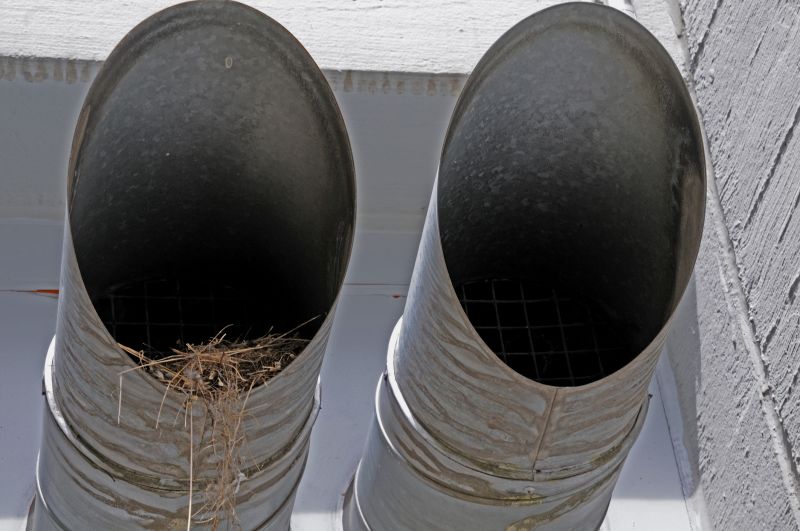
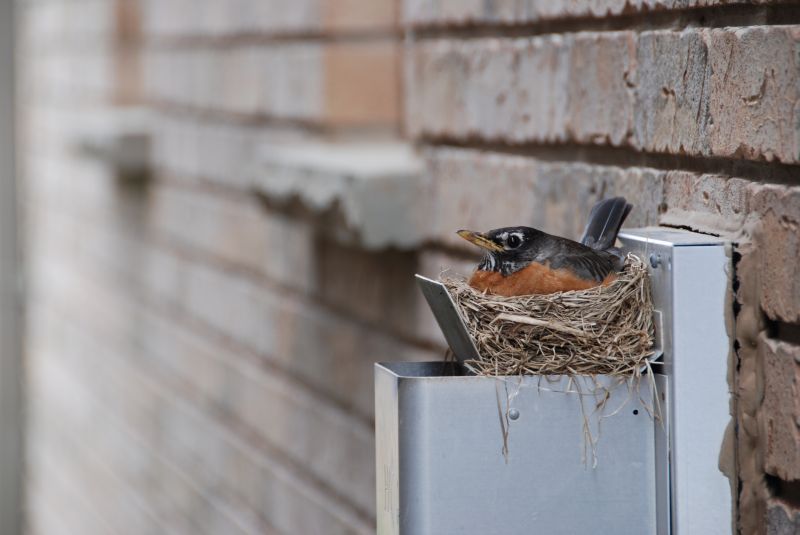
Bird nests in vents and eaves can pose significant issues for property owners, especially when they go unnoticed or are left unaddressed. These nests can cause blockages that restrict airflow, leading to potential ventilation problems or even water damage if moisture becomes trapped. Additionally, nesting materials and debris can attract pests or create fire hazards, making safe removal a priority. Property owners might seek out local contractors who specialize in bird nest removal and prevention to ensure the job is handled properly and to avoid damage to their home’s structure or ventilation systems.
Preventing future bird nesting in vents and eaves is equally important for maintaining property integrity and avoiding recurring issues. Local service providers can offer practical solutions to seal entry points and install deterrents that discourage birds from nesting in the first place. By working with experienced contractors, property owners can ensure nests are removed safely and that preventative measures are put in place to reduce the likelihood of future nesting. This proactive approach helps protect the home’s functionality and reduces the risks associated with bird nests in vents and eaves.
Why is it important to remove bird nests from vents and eaves safely? Removing bird nests from vents and eaves safely helps prevent damage to the home’s structure, reduces fire hazards, and avoids health risks associated with bird droppings and nesting materials. Local contractors have the expertise to perform these removals without causing harm to the birds or the property.
What are the risks of attempting to remove bird nests in vents and eaves without professional help? DIY removal can lead to property damage, incomplete removal, or injury. Improper handling may also disturb nesting birds or violate local regulations, which is why professional services are recommended for safe and effective removal.
How can local service providers help prevent bird nests in vents and eaves? Local contractors can install bird-proofing measures such as vents covers, mesh barriers, or eave guards to prevent future nesting, helping maintain proper ventilation and reducing the likelihood of nesting in these areas.
What are the benefits of regular inspections for bird nests in vents and eaves? Regular inspections by local pros can identify early signs of nesting, allowing for prompt, safe removal and prevention measures that protect the home and ensure proper ventilation.
Why should bird nests in vents and eaves be removed promptly? Prompt removal helps prevent blockages that can cause ventilation issues, reduces the risk of fire or water damage, and minimizes health hazards associated with accumulated droppings and nesting materials.
Assess vent and eave areas regularly - property owners can inspect these spots for signs of bird nests and plan professional removal before issues arise.
Identify potential nesting sites early - recognizing areas prone to bird nesting helps in implementing preventive measures with the help of local contractors.
Implement physical barriers - installing covers or screens can prevent birds from building nests in vents and eaves, with guidance from experienced service providers.
Schedule professional removal services - contacting local pros ensures safe and effective removal of existing nests and advice on prevention strategies.
If you are thinking about bird nests in vents and eaves: why safe removal and prevention are important for a property, this guide is meant to help you understand this topic, the typical project types, and how different options might fit your plans.
When you are ready, you can use the quote form on this page to share a few details about your project. From there, local pros can review the basics and follow up with options that match what you have in mind.